Your followers are more than just an audience; they are your most honest market signal. Every comment, mention, review, tweet, tag, or story shared about your clinic carries insight. These everyday conversations present a genuine opportunity to understand how patients perceive your services, what they value, and what influences their decisions.
But above all, be honest: how good a listener are you when it comes to listening to your brand audience?
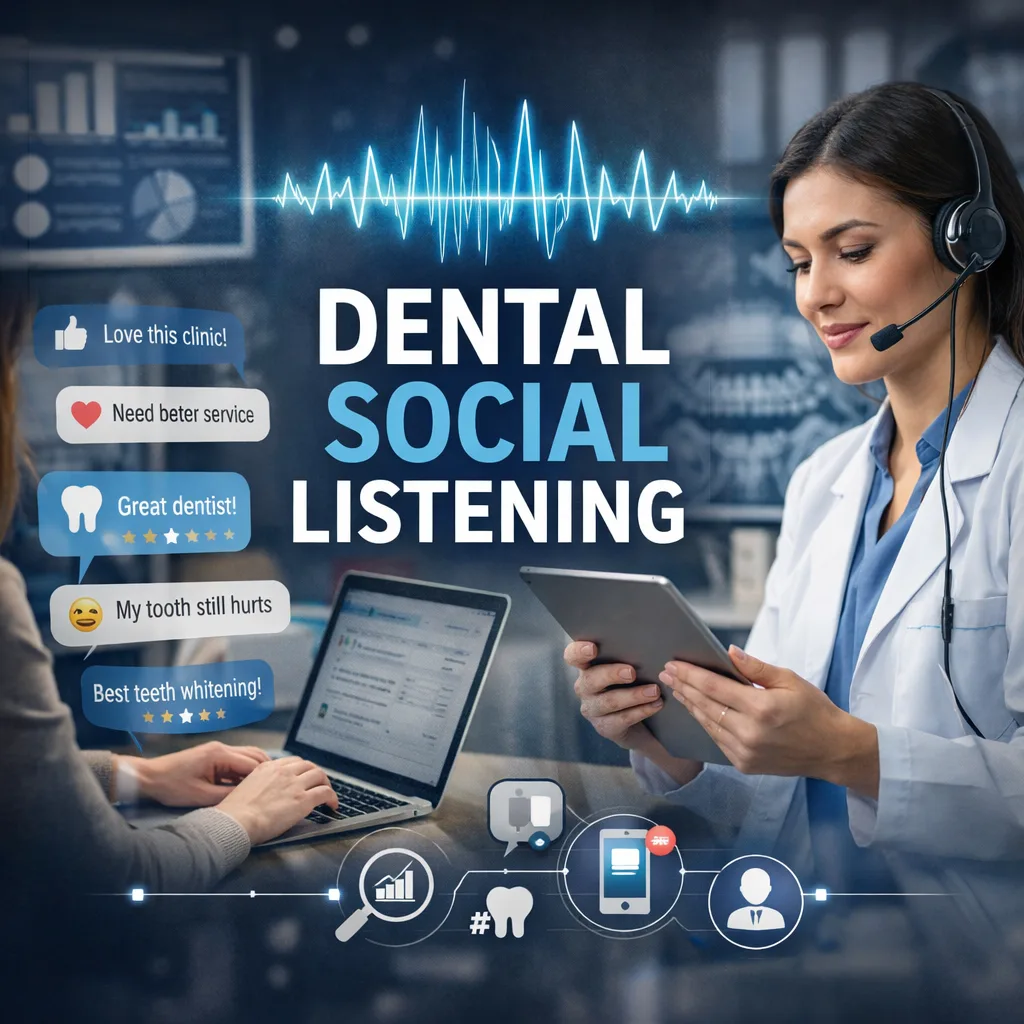
Social listening brings structure to these conversations. It is the process of systematically capturing and analyzing what your patients and target audience are saying about your dental practice, your competitors, and the wider dental industry across social media platforms and digital channels. Instead of guessing what matters, you gain clear visibility into patient sentiment, recurring questions, emerging concerns, and unmet expectations.
For dental practices, these insights are invaluable. It allows you to refine messaging, improve patient experience, identify service gaps, and respond with relevance and confidence. When used strategically, social listening holds the potential to turn your online chatter into practical intelligence. These reports guide your practice, stay aligned with patient needs, strengthen trust, and create more meaningful pathways from conversation to appointment.
Read on in this guide to discover the benefits of Dental Social Listening, learn how to build a focused social listening strategy, and explore practical tips to strategically refine and optimize your efforts for measurable practice growth.
The practice of "Dental Social Listening" is a systematic approach for monitoring, interpreting and analyzing patients' online interactions about your dental practice, competitors, and the wider dental industry across social media and online platforms. It goes beyond simply seeing mentions or comments. It focuses on understanding why your targeted audience and patients feel a certain way and what influences their decisions. It's like deep diving into real conversations and finding out how those insights can guide smarter marketing and enhanced patient engagement.
For dental practices, social listening helps uncover what patients care about most. This may include treatment concerns, pricing perceptions, service expectations, and trust signals—so every one of their messages, campaigns, and interactions feels relevant and authentic. By aligning real patient conversations with your marketing and communication strategy, dental social listening supports stronger brand perception, more effective campaigns, and better patient experiences that translate into growth. When combined with proven audience engagement techniques for social media, these insights help transform passive conversations into active patient relationships.
Through social listening and monitoring, you can improve ALL AREAS of dental marketing by understanding how people think, talk, and decide about dental care online. Social listening gives YOU a Smart Way to Follow Authentic Conversations about dental care, local dental offices, and the treatments provided by each dental office or doctor, and therefore helps keep dental offices informed of changing patient expectations. For dental practice owners, this means gaining visibility into what’s being said about your brand, your competitors, and the wider dental industry, creating a clearer, more actionable view of patient conversations and emerging trends.
1. Practice Health Signals
Social listening acts like an early diagnostic tool for your practice’s online health. By analyzing your patient's conversations, reviews, comments, and local discussions, you can understand overall sentiment around your clinic. It highlights patterns in praise, frustration, or confusion that may not appear in reports or dashboards. These signals will help you gauge trust levels, brand perception, and patient confidence before issues impact bookings. Over time, this insight supports steadier growth and stronger positioning in your local market. These insights help guide content tone, messaging clarity, and even the type of dental social media post ideas that resonate best with your audience.
2. Patient Experience Clarity
Many patients post reviews online regarding their experiences with different aspects of the healthcare system, such as waiting times, interactions with your staff members, explanations of treatment options, and how comfortable they feel after their visit. Through structured social listening, you can gather these conversations from multiple platforms into one place, uncovering what your patients appreciate or dislike most about their visits. These insights allow practices to improve communication, refine key touchpoints in the care journey, and better align services with real patient expectations. Over time, delivering a more seamless and patient-centered experience encourages repeat visits and naturally increases referrals.
3. Treatment Demand Insights
Social conversations reveal what treatments patients are actively asking about, comparing, or delaying. From cosmetic dentistry trends to concerns around pricing or recovery time, social listening surfaces real demand signals. These insights help practices prioritize services, update content, and guide promotional focus. Instead of guessing what patients want next, decisions are backed by real-world conversations. This leads to better-aligned offerings and more relevant messaging. Practices that align messaging with real demand often see stronger engagement when using social media strategies to attract more patients.
4. Local Competitor Intelligence
Patients frequently compare dental practices openly—discussing prices, experiences, and recommendations. Social listening allows you to understand how competitors are perceived and where they excel or fall short. These insights highlight gaps you can fill and strengths you can emphasize. It also helps you spot emerging competitors early within your local area. With this knowledge, your practice can position itself more confidently and strategically.
5. Smarter Campaign Direction
Campaign performance becomes clearer when you listen to how people react in real time. Social listening shows which messages resonate, which offers attract interest, and which topics fall flat. This allows practices to refine campaigns while they are running, not after budgets are spent. Messaging becomes more relevant, timely, and conversion-focused, especially when supported by a broader dental social media marketing strategy rather than isolated posts.
6. Stronger Brand Visibility
Many conversations relevant to your practice happen without direct mentions. Social listening helps you identify these discussions and participate naturally. By engaging at the right moments, your practice becomes more visible, approachable, and trusted. Consistent presence in relevant conversations strengthens brand recall before patients ever search or inquire. This builds awareness that feels organic rather than promotional.
7. Influencer Opportunities
Local influencers, health advocates, and community voices often shape patient decisions quietly. Social listening helps identify individuals already discussing dental care, wellness, or local services. These insights make it easier to build authentic partnerships aligned with your brand values. Collaborations feel more natural because they are based on existing interest. Over time, this supports credibility and reach within your community.
8. Reputation Risk Alerts
Negative sentiment often appears in conversations before it escalates into reviews or complaints. Social listening flags these risks early, allowing practices to respond calmly and proactively. This reduces long-term damage to reputation and patient trust. Early awareness also supports better crisis management and clearer communication. The outcome is a more resilient and controlled online presence.
9. Service Gap Discovery
Patients frequently mention what they wish clinics offered—extended hours, clearer pricing, better explanations, or specific treatments. Social listening captures these unmet needs consistently. These insights guide service improvements and help practices adapt to changing expectations. Addressing gaps strengthens patient satisfaction and competitiveness. Over time, your services evolve in line with real patient demand, not assumptions.
A strong social listening strategy helps your practice move from guessing what patients want to knowing what they care about. When set up correctly, it becomes a practical system for improving marketing, reputation, and patient experience beyond just a monitoring task.
1. Define clear listening goals
Start by deciding what you want social listening to support. This could include improving patient experience, protecting your online reputation, understanding demand for specific treatments, or refining marketing campaigns. Clear goals keep listening focused and prevent information overload. When objectives are defined, insights become actionable instead of overwhelming.
2. Identify the right conversations to track
Next, list the keywords and topics that matter most to your practice. This includes your practice name, dentist names, treatment types, location-based phrases, and common patient questions. Add competitor names and local dental-related discussions to widen context. Tracking the right conversations ensures you capture meaningful insights, not noise.
3. Choose the right platforms and tools
Patients talk about dental care across multiple platforms, including Instagram, Facebook, TikTok, Google reviews, forums, and local community groups. Select social listening tools that allow cross-platform tracking and sentiment analysis. The goal is a single, clear view of conversations happening in real time. Reliable tools turn raw chatter into structured insight.
4. Monitor sentiment, not just mentions
Volume alone doesn’t tell the full story. Focus on how patients feel—positive, neutral, or frustrated—and why. Sentiment analysis reveals emotional drivers behind comments, helping you understand trust levels, concerns, and expectations. This deeper context is where real strategic value lies.
5. Segment insights by theme
Group conversations into themes such as pricing concerns, treatment anxiety, appointment availability, staff experience, or cosmetic interest. This structure makes insights easier to interpret and act on. Patterns across themes highlight recurring issues or opportunities. Over time, segmentation helps prioritize improvements with the biggest impact.
6. Turn insights into clear actions
Social listening only works when insights lead to decisions. Use findings to adjust messaging, update FAQs, improve patient communication, or guide campaign direction. Share key insights with your front desk, marketing, and clinical teams so changes are aligned across the practice. Action transforms listening into growth.
7. Set review cycles and benchmarks
Establish regular check-ins—weekly or monthly—to review trends and measure progress. Compare sentiment, engagement, and patient feedback over time. Benchmarks help you understand what’s improving and what needs attention. Consistency ensures social listening becomes part of your ongoing strategy, not a one-off task.
8. Refine and evolve continuously
Patient behavior, platforms, and expectations change constantly. Revisit your keywords, goals, and themes as your practice grows or introduces new services. An adaptive listening strategy stays relevant and valuable. Continuous refinement keeps your practice closely aligned with patient needs and market shifts.
As we move through 2026 and beyond, dental social listening will become an increasingly strategic advantage for practices that want to lead rather than react. Patients are more vocal, more connected, and more empowered than ever. They share their experiences, recommendations, concerns, and expectations across social media, reviews, forums, and community platforms. This shift means listening is no longer optional; it’s fundamental to shaping patient perception and staying competitive.
1. Real-Time Patient Insights Become Business Signals
Advances in listening technology will allow practices to capture real-time patient sentiment and behavior, surfacing trends as they emerge. This means spotting shifts in demand for particular treatments, concerns about aftercare, or local reputation changes before they show up in reviews or appointment patterns.
2. AI-Powered Understanding of Patient Language
Natural language processing and AI will enable deeper interpretation of patient conversations. Rather than tracking keywords alone, practices can understand sentiment nuances. This includes providing an analysis of what your patients feel about pain, pricing, trust, accessibility, or clinician communication. This will lead to more empathetic, patient-centric messaging and content.
3. Personalized Patient Engagement at Scale
How effectively your dental practice personalizes patient engagement depends on factors such as:
- How well social listening insights connect with your CRM and patient records
- How your follow-up messages, reminders, and education workflows are structured
- When and where patients are actively discussing treatments, concerns, or experiences online
This alignment is essential to know, as Future social listening will integrate with CRM, marketing automation, and patient outreach tools to create personalized engagement pathways. Insights can trigger automated responses, follow-ups, or educational content tailored to what patients are expressing in their own words.
4. Competitive Benchmarks Become Standard Practice
Rather than occasional comparison, continuous competitive listening will help dental practices monitor local trends—what nearby clinics are being praised for, which services attract attention, and where patient frustrations lie. This allows practices not just to react but to set new service trends that resonate with their community.
5. Predictive Trends Guide Service Development
Listening data will help practices anticipate shifts in patient interest—such as new treatment preferences, wellness trends, or value expectations. Predictive insights support smarter decisions about investments, services, pricing transparency, and patient education efforts.
6. Integrated Reputation Management
Reputation will be managed proactively, with early detection of risk signals and coordinated responses across platforms. Practices that integrate social listening with review management and patient outreach will retain stronger trust and credibility over time.
7. Patient-Centered Care Becomes Public Dialogue
As patients increasingly share personal health journeys online, listening will inform improvements in the overall patient experience, from first search to follow-up care. This means clinic communications, educational content, and service design will reflect what patients genuinely want—and talk about.
To stay ahead, dental practices should:
- Adopt comprehensive listening tools that capture multi-platform conversations
- Define key themes (experience, pricing, service expectations, treatment debates)
- Integrate insights into marketing, service design, and patient communication
- Train teams to act on real-time signals, not just historical data
In 2026 and beyond, social listening won’t just tell you what patients are saying—it will shape how your practice responds, evolves, and leads in a patient-first digital world.
Our healthcare marketing expert will get in touch with you

.gif)