
Modern dental marketing uses social media as one of its primary methods to connect with patients when they are searching, scrolling and making decisions. In addition to sophisticated targeting, Social Media advertising platforms such as Facebook provide Dentists an efficient way to track the measurable success of their advertisements while providing an enormous audience size compared to Traditional Marketing.
Among all paid social channels, Facebook remains one of the most powerful tools for dental practices looking to generate consistent inquiries and appointment bookings. However, advertising on Facebook is not as straightforward as boosting a post or setting a small daily budget. Facebook advertising costs for dentists vary widely based on location, competition, objectives, and campaign structure.
To help you plan your budget with clarity, via this guide we'll break down what dental practices should realistically expect to spend on Facebook advertising, what drives costs up or down, and how to invest wisely to achieve sustainable patient growth.
Facebook Ads for dentists are a paid digital advertising solution that allows dental practices to promote their services directly to people most likely to book an appointment. These ads appear across Facebook, Instagram, Messenger, and the Meta Audience Network, helping practices reach potential patients while they browse, scroll, and engage with content daily.
Facebook advertising plays an important role in dental marketing because it enables precise audience targeting based on location, age, interests, and behavior. This makes it easier for dentists to promote high-value treatments, increase brand awareness, and stay visible within their local market—especially when aligned with proven Facebook ads best practices for dentists.
With Facebook Ads, dental practices can build structured campaigns aligned with specific goals such as lead generation, appointment requests, or service promotion. The platform also allows ongoing optimization, making it possible to adjust budgets, creatives, and targeting based on performance.
When combined with proper tracking tools, Facebook Ads provide valuable insights into patient behavior, ad effectiveness, and return on investment—helping dentists make informed marketing decisions and scale their growth with confidence.
Creating an honest and precise narrative has a great impact on brand image and authority. Written website content can be ever so subtly persuasive, encouraging seamless navigation to users visiting the website for the first time.
Below are some of the common benefits of Facebook advertising for dentists:
Increases Website Traffic
Targeting local audiences with engaging ads and optimizing with the help of best practices is one of the best ways to increase your website traffic. Every practice needs to promote itself as the best service provider. Therefore, running quality Facebook ads can entice potential patients and improve your traffic. When evaluated alongside other channels, many practices compare performance using insights similar to those discussed in Google vs Facebook advertising to understand where patient intent converts best.
Creates a Brand Voice
Effective Facebook advertising also creates a brand voice for your business while maintaining a consistent persona in every digital channel. When a prospect sees your ad, they are interested in whether you have the capability or knowledge to fulfill their dental need. Running ads with accurate and engaging content will help you to gain goodwill from them.
Boost Conversions
Running engaging ads for your practice can help your business boost conversions. People scroll Facebook to get some value for fulfilling their needs. Using a strong call to action at the end of your ad content is an effective strategy to influence visitors to take a step forward to book appointments. In addition, using testimonials, reviews, and before-and-after visuals further supports conversion-focused strategies often highlighted in guides on how to get more patients with Facebook marketing.
Cost-Effectiveness
Facebook advertising can also help in cost management. It is often considered a cost-effective approach compared to running traditional advertisements. Rather than paying fixed rates for broad exposure, it is quite affordable to invest in targeted campaigns. When optimized, you do not have to overspend to get quality leads.
Improves Local Visibility
If you want to know how to rank higher locally, then we can say Facebook advertising is the ultimate way for this achievement. Besides running ads in large quantities, it is also crucial to ensure their quality. Strategic keywords and high relevance are beneficial for you to get higher visibility. When paired with broader dental social media marketing services, Facebook Ads help reinforce recognition and trust before patients ever search on Google.
There is no fixed cost for Facebook advertising in dentistry. Facebook operates on an auction-based system, meaning your ad spend is influenced by market demand, competition, and how well your campaigns perform. With dentistry ranking among the most competitive local service industries in 2026, understanding these factors helps practices plan realistic budgets and protect ROI.
1. Location and Market Competition
Your practice location plays a major role in Facebook ad costs. High-density cities and competitive metro areas attract more advertisers bidding for the same audience, which naturally pushes costs higher. Dental practices in urban regions often experience costs that are 2–3× higher than suburban or regional areas. Local saturation, the number of competing clinics, and patient demand all impact how aggressively you must bid to stay visible.
2. Audience Targeting and Precision
Facebook allows dentists to target users by location, age, interests, and behavior, but tighter targeting comes at a cost. Narrow geographic radius targeting combined with treatment-specific interests increases competition within that audience pool. While this raises CPC and CPL, it also delivers higher-quality leads who are closer to booking. Broad targeting may appear cheaper but often results in lower intent and wasted spending.
3. Ad Quality, Engagement, and Relevance Score
Facebook actively rewards ads that generate strong engagement. Campaigns with high click-through rates, saves, comments, and form completions achieve better relevance scores. Higher-quality ads can reduce costs by 30–50% compared to low-performing creatives. Clear messaging, professional visuals, and patient-focused offers directly influence how efficiently your budget is used.
4. Campaign Objective and Funnel Stage
Your chosen campaign objective significantly affects pricing. Traffic and awareness campaigns typically cost less but deliver lower intent. Lead generation and conversion campaigns are more expensive because they target users ready to act. In dentistry, lead-generation objectives command higher CPCs due to patient lifetime value, but they also produce appointment-ready inquiries when structured correctly.
5. Seasonality and Patient Demand Cycles
Dental Facebook ad costs fluctuate throughout the year. Demand spikes during periods such as January (cosmetic goals), pre-summer smile makeovers, and post-holiday insurance resets. Increased advertiser competition during these periods raises costs. Off-peak months may offer lower CPCs but require stronger messaging to stimulate patient action.
6. Type of Dental Service Promoted
Not all dental services cost the same to advertise. High-value treatments such as implants, veneers, Invisalign, and cosmetic dentistry attract aggressive bidding from competitors. These services naturally have higher CPCs and CPLs. General dentistry or hygiene campaigns tend to be more cost-effective but may generate lower immediate ROI without strong follow-up systems.
7. Creative Quality and Offer Strength
Ad creative directly impacts cost efficiency. Professionally designed visuals, authentic practice imagery, and compelling copy outperform generic stock content. Clear offers—such as free consultations, limited-time savings, or financing options—improve conversion rates. Strong creative reduces wasted impressions and lowers the effective cost per lead over time.
8. Landing Page Experience and Conversion Rate
Facebook evaluates what happens after a click. Slow-loading pages, poor mobile experience, or unclear calls to action reduce conversions and increase costs. Optimized landing pages with fast load times, simple forms, and trust signals improve conversion rates. Higher conversion rates allow Facebook’s algorithm to deliver leads at a lower overall cost.
9. Account History and Data Maturity
New ad accounts often start with higher costs due to limited performance data. Over time, Facebook’s algorithm learns which users are most likely to convert for your practice. Accounts with consistent spending, clean tracking, and historical conversions benefit from more efficient delivery and improved cost stability.
10. Budget Size and Consistency
Small or inconsistent budgets limit Facebook’s ability to optimize campaigns effectively. Frequent budget changes reset learning phases and increase volatility in costs. Stable, well-structured budgets allow the algorithm to find converting audiences faster, leading to more predictable and scalable results.
Building an effective dental marketing budget requires more than choosing a number and spreading it across channels. A structured, goal-driven approach ensures every pound or dollar invested contributes directly to patient growth, chair utilization, and long-term practice value.
1. Estimate Your Expected Annual Revenue
Start by reviewing your previous 12–24 months of financial data. Identify your average monthly revenue, seasonal trends, and high-performing services. If your practice is expanding, adding clinicians, or introducing new treatments, factor these changes into your forecast. A realistic revenue baseline creates a strong foundation for smarter marketing decisions.
2. Set a Clear Revenue Growth Target
Define how much you want your practice to grow over the next year. Many dental practices aim for 20–30% annual growth, depending on capacity and demand. This goal should reflect chair availability, staffing levels, and operational readiness to handle increased patient flow without compromising care quality.
3. Define Marketing’s Role in Patient Acquisition
Not all growth comes from marketing alone. Referrals, recalls, and reputation also contribute. Decide what percentage of new patients you want marketing to generate, often 40–60% for growth-focused practices. This clarity helps determine how aggressive your marketing investment needs to be.
4. Allocate a Percentage of Revenue to Marketing
Most successful dental practices invest 5–10% of annual revenue into marketing. Practices in competitive urban markets or those promoting high-value services may invest more. This percentage should align with your growth targets, competition level, and desired pace of expansion.
5. Break the Budget by Channel and Purpose
Divide your marketing budget across channels based on performance and intent:
- Online marketing (SEO, Google Ads, Facebook Ads, content)
- Local visibility (maps optimization, reviews, local listings)
- Offline efforts (signage, referrals, community outreach)
- Internal marketing (patient communication, reactivation)
Each channel should have a clear role in the patient journey.
6. Create Monthly Spending Projections
Annual budgets should be broken down into monthly allocations. This allows flexibility, testing, and optimization throughout the year. Seasonal services may require higher spending during peak periods, while quieter months can focus on brand-building or nurturing campaigns.
7. Set Measurable KPIs and Tracking Systems
Define clear performance metrics such as cost per lead, cost per booked appointment, conversion rates, and return on ad spend. Use tracking tools to monitor performance consistently. Transparent reporting ensures you stay in control and make data-driven adjustments without overspending.
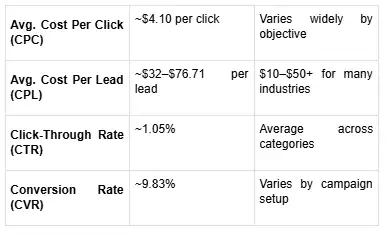
Understanding what dental practices actually spend on Facebook advertising helps you plan a realistic budget and set expectations for new patient growth. Below are verified industry benchmarks that show how much dentists can expect to pay for clicks, leads, and engagement when running Facebook lead generation campaigns.
Facebook Ads Cost Benchmarks for Dentists (Lead Generation)
1. Cost Per Click (CPC)
Dentists often pay higher CPCs than many industries because the audience for dental treatments is competitive and high-value. A $4.10 CPC means each person who clicks your ad costs that amount on average. CPC can be driven up by tighter targeting, high competition, or premium offers that attract more advertisers.
2. Cost Per Lead (CPL)
CPL reflects how much you spend for someone to submit a contact form, call, message, or sign up through your ad. For dentists, this commonly falls between $32 and $76+, depending on service type, audience, and ad quality. Dental practices with strong creative, clear offers, and precise targeting often see CPLs on the lower end of the range.
3. Conversion & Engagement Metrics
Dentistry ads often have lower CTRs (around ~1.05%) compared with broader categories, but conversion rates (when optimized) can be strong, especially when landing pages and follow-up systems are in place.
While benchmarks give averages, actual budgets vary based on your goals and local market:
Small/Local Practice (Test & Learn):
Growth-Focused Practice (Consistent Patient Flow):
These ranges are typical starting points for dental practices aiming to balance cost efficiency with lead volume; higher spending doesn’t always mean better results unless offers and funnels are optimized.
Facebook advertising offers dentists a powerful way to increase visibility, reach the right patients, and generate appointment-ready inquiries at scale. When planned with the right budget, targeting strategy, and creative approach, Facebook Ads become a reliable investment rather than an unpredictable expense.
By structuring campaigns around clear objectives, optimizing audience targeting, and tracking performance consistently, dental practices can control costs while improving lead quality. Unlike organic marketing, Facebook Ads deliver faster visibility, allow continuous optimization, and support sustained patient growth when managed strategically.
With a well-defined budget and data-led execution, Facebook advertising helps dental practices strengthen brand awareness, fill appointment calendars, and achieve measurable returns—making it a valuable channel for long-term growth rather than short-term promotion.
Our healthcare marketing expert will get in touch with you

.gif)