
Picture this: a prospective patient fills out your website's contact form at 9:14pm, or calls during your lunch break and reaches voicemail. By the time anyone from your practice follows up, they've already booked with whoever called them back first. This happens more often than most practice owners realize, and it's rarely a sales problem; it's a follow-up problem.
A lead nurturing CRM exists to close exactly this gap. Not a contact database, but a system that tracks every inquiry from first contact through booked appointment, triggers follow-up at the right moments, and flags the ones going cold before you lose them for good.
This guide covers why follow-up speed matters more than almost anything else in patient acquisition, what a real lead nurturing workflow looks like, where practices lose leads without ever noticing, and what to look for before you invest in a system.
Lead nurturing is the structured process of staying in contact with a prospective patient from their first inquiry until they either book an appointment or clearly opt out. It's distinct from simple lead capture (collecting a name and number) and distinct from practice management (scheduling and clinical records). Most practice management software was never built to chase an inquiry that hasn't converted yet; it assumes the patient is already on the books.
A dedicated CRM layer fills that gap. It gives every inquiry a visible status, assigns it an owner, and (critically) automates the parts of follow-up that are too easy to forget when the front desk is busy with patients who are already in the chair.
Patients researching a new dentist are usually comparing two or three practices within the same day, sometimes the same hour. Response-time studies across service businesses consistently show a steep drop-off in contact and conversion rates once more than five to ten minutes pass after an inquiry, and that drop-off continues to compound the longer the delay stretches into hours or days. The practice that responds first, confirms availability, and makes booking effortless usually wins the patient, regardless of which practice has the stronger reviews or lower price.
This is why improving dental phone conversion rates isn't really about scripting a better pitch. It's about making the first and second contact attempt count, and having a system that tells you, at a glance, exactly which inquiries haven't been followed up yet. A lead sitting untouched for two hours on a busy Monday is not a hypothetical; it's the default state for most practices without a structured process.
It's worth putting a number on this. If a practice spends, on average, somewhere between $150 and $300 to generate a new patient inquiry through paid or organic channels, every inquiry that goes cold from poor follow-up is that acquisition cost wasted outright, before even accounting for what that patient would have been worth over years as a recall-compliant adult patient.
A patient calls, doesn't reach anyone, and the voicemail isn't returned until the next business day, by which point they've already booked elsewhere. We've written specifically about why dental practices lose patients before the first appointment, and inconsistent follow-up consistently outranks price or location as the leading cause.
Signs this may be affecting you:
Without a defined sequence (same-day call, next-day text if unreached, email by day three), follow-up gets left to whoever remembers, which means it happens inconsistently or not at all.
If no one can see, at a glance, which inquiries haven't been contacted in the last 24 hours, leads quietly die in someone's inbox or notepad without anyone noticing until the patient has already chosen another practice.
A lead that went quiet after an initial call isn't dead. A scheduled check-in two to four weeks later (a simple "just following up, still happy to get you scheduled" message) recovers a meaningful share of inquiries that practices would otherwise write off completely. Most practices never attempt this step at all.
The same pattern shows up in how call handling affects dental ROI: a missed or mishandled call is a lost patient, not a neutral outcome. This is exactly where an AI voice receptionist changes the equation for practices that can't staff phones every hour they're getting calls: after-hours and overflow calls get answered and logged into the same follow-up pipeline instead of disappearing into voicemail.
A growing share of inquiries now start on the website itself, outside office hours, from a patient who isn't ready to call yet. An AI chatbot captures that moment: answering basic questions, collecting contact details, and feeding the lead straight into the same nurturing workflow as a phone inquiry, rather than losing it to a closed browser tab at 10pm.
Immediate acknowledgment. An automated text or email within minutes of an inquiry, confirming it was received, even before a human responds. This alone meaningfully reduces the chance a patient assumes they've been ignored and calls a competitor instead.
A structured follow-up cadence. A defined sequence (same-day call, next-day text if unreached, email by day three) removes follow-up from the realm of "whoever remembers" and makes it a process.
Lead status tracking. Every inquiry sits in a visible stage (new, contacted, scheduled, no-show, converted), so nothing is quietly forgotten in the gap between a busy morning and a quiet afternoon.
Appointment reminders that reduce no-shows. Automated reminders by text and email, timed to patient behavior rather than a single generic reminder sent 24 hours out.
Reactivation for stalled leads. A scheduled, low-pressure check-in weeks after initial contact goes quiet, built into the workflow rather than left to memory.
Most of the patients a dental practice loses were never lost to a better competitor; they were lost to silence, a missed call, or a follow-up that quietly never happened. A lead nurturing CRM doesn't need to be complicated to fix this; it needs to guarantee that every inquiry gets a fast first response, a defined follow-up cadence, and a second chance weeks later if it goes quiet. Practices that put this structure in place typically recover a meaningful share of leads they were previously losing for free.
How quickly should a practice follow up with a new inquiry? Within the first hour is the benchmark most response-time data points to, with the steepest drop-off in contact rates happening in the first ten to thirty minutes after an inquiry comes in. Practices that can't guarantee a fast response during business hours are usually better served by automating the first acknowledgment immediately and having a human follow up shortly after, rather than letting the inquiry sit untouched.
Do we need a dedicated CRM, or can our practice management software handle this? Most practice management systems are built for scheduling and clinical records, not lead nurturing; they rarely trigger automated follow-up sequences or flag stalled inquiries on their own. A CRM layer that integrates with your existing software usually closes that specific gap without requiring you to replace a system your team already knows.
What's a realistic first step if we're not ready for a full CRM rebuild? Start by mapping exactly where leads currently go quiet: for most practices, it's after the first unanswered call. Addressing that single point, through faster follow-up or an answering solution for missed and after-hours calls, often produces a noticeable lift in booked appointments before any larger system change is made.
How does lead nurturing affect no-show rates, not just new bookings? The same structured follow-up that converts inquiries into bookings also reduces no-shows, since timed reminders and confirmations catch patients who are likely to forget or deprioritize the appointment as it approaches. Practices that implement both often see improvement in each metric independently.
Is a chatbot necessary if we already have good phone coverage? Phone coverage doesn't capture the patient browsing your website at 10pm who isn't ready to call yet. A chatbot catches that inquiry at the exact moment of interest, rather than relying on the patient to remember to call back later, which a large share of them simply won't do.


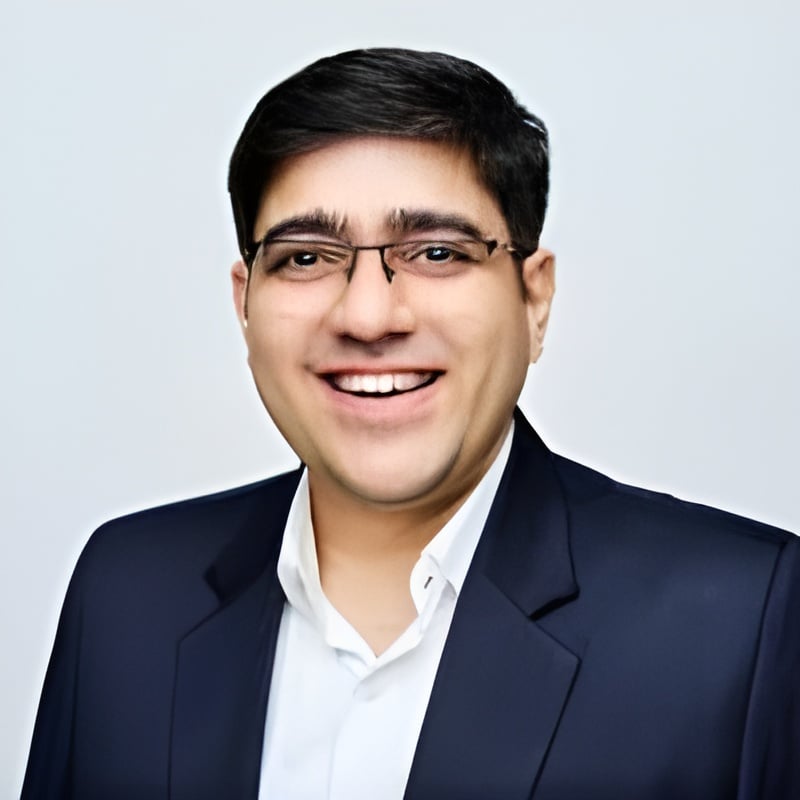
Harsh Bansal has spent 15 years pioneering, scaling, and redefining what dental marketing and data can truly unlock. He is at the forefront of AI-driven dental growth, helping more than 8,000+ dental practices and DSOs worldwide attract more patients, strengthen their market presence, and gain the financial clarity needed to drive sustainable growth.
Our healthcare marketing expert will get in touch with you